
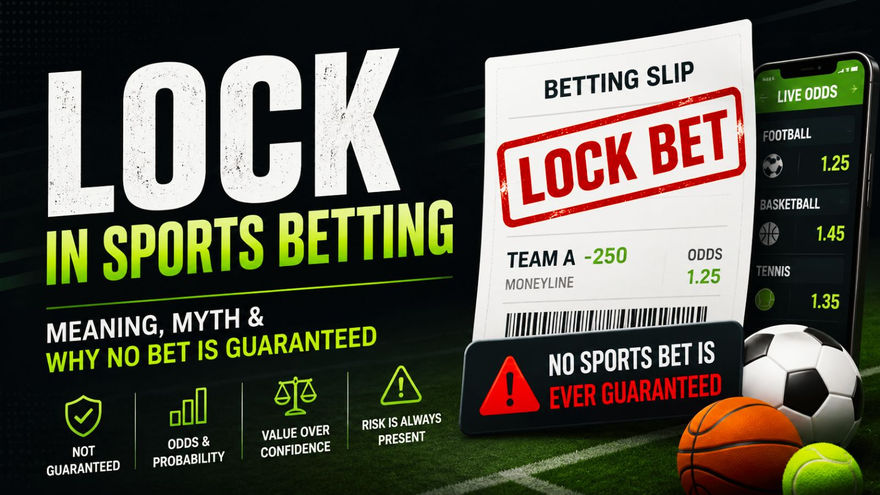
A lock in sports betting is a pick that someone believes is almost guaranteed to win.
You may hear phrases like lock bet, sure thing, guaranteed winner, or lock of the day. They usually refer to a team, player, or outcome that looks very likely to happen.
But the key point is simple:
A real lock does not exist in sports betting.
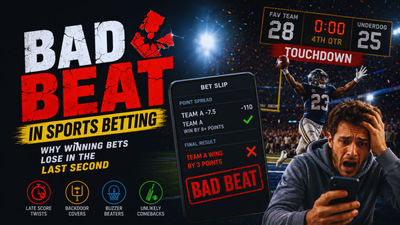
Sports are uncertain. Favourites lose. Star players get injured. Weather can change a match. Refereeing decisions matter. A team can dominate the game and still fail to win, cover the spread, or land the bet.
So when someone asks, “What is a lock in sports betting?” the honest answer is:
A lock is betting slang for a pick that looks highly likely to win, but it is not actually guaranteed.
Understanding this term matters because “lock” language can make beginners overconfident. It can lead to bigger stakes, poor bankroll decisions, and blind trust in tipsters, influencers, or social media picks.
This guide explains what a lock bet means, why people use the term, why betting locks are a myth, and how to think about odds, probability, and value instead.
Why People Call Bets “Locks”
People usually call a bet a lock when the outcome looks obvious.
That often happens when there appears to be a big mismatch between two teams or players. A top-ranked tennis player facing a qualifier, a strong football club playing a relegation-threatened side, or a dominant cricket team facing a weakened opponent may all be described as “locks” by casual bettors.
Bets are often called locks when they involve:
Heavy favourites
Big-name teams
Strong recent form
Star players
A weaker opponent with injuries
A major mismatch on paper
Popular teams with strong public support
Short odds that look “safe”
Picks promoted by tipsters or betting influencers
For example, suppose a strong cricket team is facing a side missing two key bowlers. Many bettors may say the favourite is a lock.
That does not mean the bet is guaranteed. It only means the favourite looks likely to win.
There is a difference between likely and certain.
This is where beginners often get into trouble. They see a strong favourite and assume the bet is safe. But the sportsbook already knows the favourite is strong. That is why the odds are usually short.
A team priced at 1.25 in decimal odds may look safe, but the payout is small because the bookmaker already expects that team to win most of the time.
The danger is paying too much for a result that is not as certain as it feels.
You should also be careful with anyone who uses lock language to sell picks. A serious betting educator will usually talk about probability, price, risk, and expected value. A hype-driven tipster may talk about “guaranteed” wins.
Those are very different approaches.
The Myth: Why Locks Don’t Exist
Betting locks do not exist because no sporting result is completely certain before the event is played.
A favourite can be highly likely to win. A bet can have strong reasoning behind it. A price can even offer value. But none of that makes the bet guaranteed.
There are several reasons why locks are a myth.
1. Sports Are Unpredictable
Sport is not played on paper.
A stronger team can lose because of:
Early red cards
Injuries
Weather
Tactical mistakes
Poor finishing
Refereeing decisions
Fatigue
Pressure
Bad luck
One exceptional performance from the opponent
A football team can control possession and still lose 1-0. A cricket team can dominate the first innings and collapse while chasing. A basketball favourite can rest players late and fail to cover the spread.
This uncertainty is one reason betting markets exist. If outcomes were truly guaranteed, sportsbooks would not offer meaningful odds on them.
2. Odds Already Reflect the Favourite
When a team looks like a lock, the sportsbook usually prices it accordingly.
For example:
Bet | Decimal Odds | What It Suggests |
Strong favourite | 1.25 | High implied probability, low payout |
Moderate favourite | 1.70 | More risk, better payout |
Underdog | 3.50 | Lower implied probability, higher payout |
A heavy favourite may win more often, but the payout is smaller. If the odds are too short, the bet may still be poor value.
Winning often is not the same as betting profitably.
A bettor who keeps backing heavy favourites at bad prices may win many individual bets but still struggle over time because one upset can wipe out several small wins.
3. Confidence Can Lead to Poor Staking
The word “lock” encourages overconfidence.
A beginner might normally stake $10, then stake $100 because someone called the pick a lock.
That is dangerous.
If the bet loses, the damage is far greater than normal. The problem is not only that the pick lost. The bigger issue is that the bettor changed their staking because they believed the result was certain.
A disciplined bettor does not treat any single wager as risk-free.
Understanding your betting stake and managing it consistently is more useful than chasing so-called locks.
4. “Lock” Picks Are Often Marketing
Many betting touts, social media accounts, and tip sellers use the word “lock” because it attracts attention.
It sounds confident. It sounds urgent. It makes the reader feel they are missing an easy winner.
But strong language does not make a pick stronger.
A genuine betting process should explain:
Why the price is valuable
What probability the bettor estimates
What risk exists
What could go wrong
How the stake fits the bankroll
A “lock of the day” with no reasoning is not analysis. It is marketing.
Examples of So-Called Locks Losing
The best way to understand why locks are dangerous is to look at sports history.
Many outcomes once looked obvious. Then the game happened.
Leicester City Winning the Premier League
Before the 2015-16 Premier League season, Leicester City were viewed as extreme outsiders. Many people assumed the title would go to one of the usual major clubs.
Instead, Leicester produced one of the biggest upsets in modern football history by winning the league.
The lesson is simple: even markets that appear obvious can be wrong. Long seasons, injuries, confidence, tactics, and momentum can change what looked certain.
Buster Douglas Beating Mike Tyson
Mike Tyson was a dominant heavyweight champion when he faced Buster Douglas in 1990. Tyson was widely expected to win.
Douglas knocked him out.
For many fans and bettors, Tyson looked like the kind of favourite people might call a lock. But boxing, like all sport, has uncertainty. One night, one performance, one mistake, or one perfectly timed punch can change everything.
Miracle on Ice
At the 1980 Winter Olympics, the United States hockey team defeated the heavily favoured Soviet Union team. The Soviet team was considered far stronger on paper.
The result became one of the most famous upsets in sports history.
It is a useful reminder that a mismatch on paper is not the same as a guaranteed outcome.
A Simple Cricket Example
Suppose a strong cricket team needs 45 runs from 60 balls with eight wickets in hand. Many viewers may feel the chase is already done.
But cricket can change quickly.
A wicket, a run-out, pressure, spin-friendly conditions, or one excellent over can turn a safe-looking chase into a collapse.
That does not mean the favourite was a bad bet. It means it was never a lock.
Psychology & Risk: Dangers of Believing in Locks
The word “lock” is dangerous because it changes how bettors think.
Instead of asking, “Is this price worth the risk?” they start thinking, “This cannot lose.”
That mindset creates several problems.
Overconfidence
Overconfidence makes bettors ignore uncertainty.
They may stop asking basic questions:
What are the odds implying?
Is the price too short?
What could go wrong?
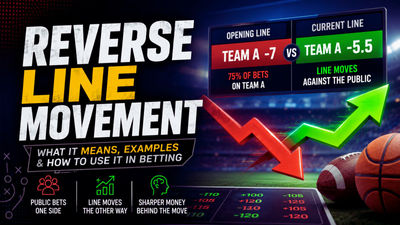
Has the line already moved?
Am I staking too much?
Am I betting because of analysis or emotion?
Once a bettor believes a pick is guaranteed, the normal risk checks disappear.
Chasing Short Odds
Many lock bets are heavy favourites.
A heavy favourite may look safe, but short odds can create poor long-term returns if the price is not fair.
For example, if a team is priced at 1.20, a $100 bet returns only $20 profit. One loss requires multiple future wins just to recover.
That is why understanding how betting odds work matters. Odds do not only show who is likely to win. They also show the price you are paying for that chance.
Ignoring Vig or Juice
Sportsbooks build margin into their odds. This margin is known as vig or juice.
When bettors chase obvious favourites, they may accept poor prices without noticing the sportsbook’s edge.
A lock-looking bet at bad odds can be worse than a less obvious bet at a better price.
The question is not, “Does this look likely?”
The better question is:
Is the probability higher than the price suggests?
Trusting Touts Too Easily
Be careful with anyone selling “guaranteed” picks.
Common warning signs include:
“100% lock”
“Can’t lose”
“Mortgage play”
“Free money”
“All-in pick”
“Guaranteed profit”
“Insider certainty”
These phrases are designed to trigger confidence, not careful thinking.
No serious bettor can guarantee a sports result.
Parlays Make Lock Thinking Worse
Some bettors combine several “safe” picks into one parlay bet.
This can feel logical: if each leg looks likely, the parlay feels strong.
But every extra leg adds another chance for the bet to fail. A five-leg parlay of heavy favourites can still lose if just one team slips.
That is why “safe parlay” and “lock parlay” are often misleading phrases.
How to Think About Odds & Probability
A better alternative to lock thinking is probability thinking.
Instead of asking whether a bet is a lock, ask what chance the outcome really has and whether the odds are fair.
Implied Probability
Odds can be converted into implied probability. This tells you what chance the sportsbook’s price suggests.
Here are simple decimal examples:
Decimal Odds | Implied Probability |
1.20 | 83.3% |
1.50 | 66.7% |
2.00 | 50.0% |
3.00 | 33.3% |
5.00 | 20.0% |
The formula for decimal odds is:
Implied probability = 1 ÷ decimal odds
So if a team is priced at 1.25:
1 ÷ 1.25 = 0.80
That means the odds imply an 80% chance.
An 80% chance is high. But it still means the outcome fails around 20% of the time if the price is accurate.
That is not a lock.
Heavy Favourite Example
Suppose a tennis player is priced at 1.20.
That implies an 83.3% chance of winning.
A beginner may think, “This player almost always wins, so it is safe.”
But if the player loses once in every six similar situations, the result is not shocking. It is part of the probability.
To decide whether the bet is good, you need to estimate whether the player’s true chance is higher than 83.3%.
If your analysis suggests the true chance is only 78%, the bet may be poor value even though the player is likely to win.
Why Value Matters More Than Confidence
A bet can feel confident and still be poor value.
A bet can feel uncomfortable and still be good value.
That is why experienced bettors focus on price, not lock language.
A value bet exists when the odds are better than the true probability of the outcome. It does not mean the bet will win. It means the price may be favourable over time.
This is a healthier way to think about betting than searching for guarantees.
Comparing Locks, Long Shots & Value Bets
“Lock,” “long shot,” and “value bet” are different ideas.
Term | Meaning | Beginner Takeaway |
Lock | A bet perceived as almost certain to win | Usually a confidence label, not a real guarantee |
Long shot | A bet considered unlikely to win but offering a bigger payout | High risk, high reward |
Value bet | A bet where the odds may be better than the true probability | More useful than thinking in locks |
Heavy favourite | A team or player expected to win | Can still be poor value if the odds are too short |
Safe bet | Informal phrase for a lower-risk-looking bet | Still not risk-free |
A lock is usually the opposite of a long shot in betting language. A lock is expected to win. A long shot is expected to lose more often but pays more if it wins.
But neither label tells you whether the bet is worth taking.
A heavy favourite can be a bad bet if the price is too short. A long shot can be a good bet if the price is too generous.
That is why the label matters less than the odds.
The practical question is always:
Is the price better than the true chance of the outcome?
Responsible Betting & Conclusion
The word “lock” is part of betting slang, but it should not shape your staking decisions.
A lock bet means a selection that someone believes is almost guaranteed to win. In reality, no sports bet is guaranteed. Even strong favourites lose. Even smart analysis can be wrong. Even a bet with good value can fail.
For beginners, the safest approach is:
Treat “lock” as marketing language, not analysis.
Never increase your stake because someone says a bet cannot lose.
Check the odds and implied probability.
Avoid chasing short-priced favourites without understanding the value.
Be careful with “lock parlays.”
Do not trust tipsters who promise guaranteed profit.
Bet only with money you can afford to lose.
Follow local laws before placing any bet.
Legal context also matters.
In the US, sports betting rules vary by state. In the UK, betting is regulated, but responsible gambling still matters. In India, sports betting is restricted or illegal in many states, so readers should treat this guide as educational unless betting is legal where they live.
A better betting mindset is not “find the lock.”
It is:
Understand the price, estimate the probability, manage your stake, and accept that risk is always part of betting.
If you are still learning, build your foundation first by understanding the types of sports betting, how odds work, and how expected value affects long-term results.
No lock can replace discipline.
Final FAQs
What does “lock” mean in sports betting?
A lock in sports betting is a pick that someone believes is almost guaranteed to win. It usually refers to a heavy favourite or a bet that appears very likely, but it is not actually risk-free.
Are betting locks real or a myth?
Betting locks are a myth if they are presented as guaranteed wins. Some bets are more likely than others, but no sports outcome is completely certain before it happens.
Why do people call heavy favourites “locks”?
People call heavy favourites locks because they appear much stronger than the opponent. The team or player may have better form, better talent, fewer injuries, or a clear matchup advantage. But that still does not make the result guaranteed.
What are some famous “locks” that lost?
Famous examples of huge sports upsets include Leicester City winning the Premier League, Buster Douglas beating Mike Tyson, and the United States defeating the Soviet Union in the 1980 “Miracle on Ice.” These results show why no favourite is unbeatable.
What’s the opposite of a lock in betting?
The opposite of a lock is usually a long shot. A long shot is an outcome considered unlikely to win, but it usually offers a much bigger payout if it succeeds.
How should beginners approach bets labelled as locks?
Beginners should treat lock bets with scepticism. Check the odds, implied probability, risk, and value before betting. Never increase your stake just because someone says a bet is guaranteed.
Can a lock bet still be good value?
Yes, a bet someone calls a lock can still be good value if the odds are better than the true probability. But the word “lock” itself does not prove value. You still need to assess the price.
Are lock parlays safe?
No, lock parlays are not safe. Even if each leg looks likely, every extra selection adds another way for the parlay to lose. A parlay fails if one required leg does not win.