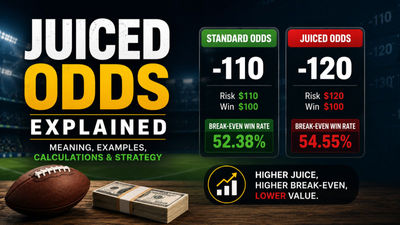


If you're new to sports betting, you'll often see the word “wager.”
In simple terms:
A wager is the amount of money you risk on a bet.
When you place a bet on a sports event — such as a football match, cricket game, or basketball game — the wager (or stake) is the money you put at risk in hopes of winning a return based on the odds.
For example:
You wager ₹500 on India to win a cricket match
The odds are 2.00
If India wins, your return would be ₹1,000 — your ₹500 wager plus ₹500 profit.
Understanding what a wager means is essential because it affects:
how much money you risk
how payouts are calculated
how betting bonuses work
In this guide, we’ll explain:
what a wager means in sports betting
the difference between wager, bet, and stake
the most common types of wagers
how to calculate winnings
how wagering requirements work in betting bonuses
What is a Wager?
A wager is the amount of money placed on a betting prediction.
When you wager money, you are predicting that a specific outcome will happen in a sporting event.
If the prediction is correct, you win money based on the betting odds. If it is incorrect, you lose the wagered amount.
Quick Example
Match: India vs Australia (cricket)Odds for India: 2.00Your wager: ₹1,000
If India wins:
Return = ₹1,000 × 2.00 = ₹2,000
Profit = ₹1,000
If India loses, your ₹1,000 wager is lost.
In other words, the wager is the money at risk in the bet.
Wager vs Bet vs Stake
Many beginners are confused by the terms bet, wager, and stake. In practice, these words are often used interchangeably.
However, they technically describe slightly different things.
Differences Explained
Term | Meaning | Example |
Bet | The prediction you make | India to win the match |
Wager | The money risked | ₹500 placed on India |
Stake | Another word for wager | ₹500 stake |
Example:
If you place ₹500 on Barcelona to win, then:
The bet is Barcelona winning
The wager is ₹500
The stake is also ₹500
Understanding this difference becomes important when reading betting guides or sportsbook bonus rules.
If you're learning betting terminology, you may also want to explore guides explaining what a stake is in betting and how bankroll management works.
Types of Wagers in Sports Betting
Sportsbooks offer many ways to wager money on sports events. While the wager itself is always the amount risked, the type of prediction can vary.
Below are the most common types of wagers.
Moneyline Wagers
A moneyline wager simply means betting on which team will win the game.
Example:
Match: Mumbai Indians vs Chennai Super KingsOdds for Mumbai Indians: 1.80
If you wager ₹1,000:
Return = ₹1,000 × 1.80 = ₹1,800
Profit = ₹800
Moneyline bets are among the most popular wagers in sports like:
Cricket
Football
Tennis
Point Spread Wagers
A point spread wager involves betting on the margin of victory.
Example:
Warriors –5.5 vs LakersOdds: 1.90
If you wager ₹1,000 on the Warriors:
They must win by 6 points or more for your bet to win.
If they win by only 4 points, the wager loses.
Spread betting is very common in:
basketball
American football
Over/Under Wagers
An over/under bet predicts the total points or runs scored in a game.
Example:
Total runs in a cricket match: Over/Under 320.5
You can bet:
Over 320.5 → more than 320 runs scored
Under 320.5 → 320 runs or fewer
Your wager wins if the final score matches your prediction.
Futures
Futures involve betting on an event that will happen later.
Examples:
IPL winner
Premier League champion
World Cup winner
Prop Bets
Prop bets focus on specific events inside a game.
Examples:
Virat Kohli to score 50+ runs
First goal scorer in a football match
Player to score 20+ points in basketball
These wagers add variety and excitement to sports betting markets.
How to Calculate Payouts & Stakes
Understanding potential payouts helps bettors decide how much to wager.
The basic formula used by sportsbooks is:
Total Return = Wager × Odds
Example 1 — Decimal Odds
Wager: ₹500Odds: 2.20
Return = ₹500 × 2.20 = ₹1,100
Profit = ₹600
Example 2 — American Odds
Odds: +150
If you wager ₹1,000:
Profit = ₹1,500
Total return = ₹2,500
Example 3 — Conservative Betting
Experienced bettors often use unit betting.
Instead of randomly wagering large amounts, they set a fixed unit (for example ₹500 per bet).
This strategy helps manage risk and avoid large losses during losing streaks.
If you want to improve your betting strategy, learning about bankroll management is extremely useful.
Understanding Wagering Requirements
You may also see the term wagering requirement when sportsbooks or casinos offer bonuses.
A wagering requirement means you must place bets equal to a certain amount before withdrawing bonus winnings.
Sportsbook Bonus Examples
Imagine a sportsbook offers:
₹1,000 welcome bonus
40× wagering requirement
You must place bets totaling:
₹1,000 × 40 = ₹40,000
before withdrawing winnings generated from the bonus.
Important points:
You are not losing ₹40,000
You simply need to place bets totaling that amount
Many sportsbook promotions use lower requirements such as 1× or 5×, which are easier to complete.
If you explore sportsbook promotions, always check the bonus terms and conditions.
Casino Bonus Examples
Casino bonuses typically have higher wagering requirements.
Example:
Deposit: ₹2,000Bonus: ₹2,000Requirement: 35×
Total wagering required:
₹2,000 × 35 = ₹70,000
Additionally, different games contribute differently.
Typical contribution rates:
Game | Contribution |
Slots | 100% |
Blackjack | 10–20% |
Roulette | 10–20% |
This is why casino wagering requirements can take longer to complete than sportsbook bonuses.
Tips for Meeting Requirements
Before accepting a betting bonus, keep these tips in mind:
Check the wagering multiplier
Understand minimum odds rules
Avoid betting larger amounts just to complete the bonus
Read the full bonus terms
Doing this can prevent many common beginner mistakes.
Common Betting Mistakes & Tips
Even simple betting concepts like wagers can be misunderstood.
Here are a few mistakes beginners often make.
Confusing Wager With Payout
Your wager is only the amount you risk, not the amount you could win.
Example:
Wager: ₹500Odds: 3.00
Return = ₹1,500Profit = ₹1,000
Betting Too Much on One Game
Many beginners wager large amounts on a single game.
Experienced bettors usually risk 1–3% of their bankroll per bet.
This protects them during losing streaks.
Ignoring Bonus Terms
Some bonuses look attractive but come with very high wagering requirements.
Always check rollover conditions before accepting a promotion.
Chasing Losses
Trying to recover losses by increasing wagers is one of the fastest ways to lose money.
Responsible bettors stick to a strategy and manage their stakes carefully.
FAQ
What does “wager” mean in sports betting?
A wager is the amount of money you risk on a bet. If the prediction wins, you receive winnings based on the odds.
What is a 40× wagering requirement?
A 40× wagering requirement means you must place bets totaling 40 times the bonus amount before withdrawing bonus-related winnings.
Example:₹1,000 bonus → wager ₹40,000.
What is the difference between a wager and a bet?
A bet is the prediction, while the wager is the money placed on that prediction.
How do I calculate potential winnings?
Use this formula:
Return = Wager × Odds
Example: ₹500 at odds of 2.00 returns ₹1,000.
Can I withdraw a bonus before meeting wagering requirements?
Usually not. Most betting sites require you to complete wagering requirements before withdrawing bonus-related winnings.
A wager might simply be the money you risk on a bet, but understanding how wagering works is fundamental to sports betting.
Knowing how wagers interact with odds, payouts, and bonus requirements helps bettors make smarter decisions and avoid common mistakes.
Whether you're placing your first bet or learning more advanced betting strategies, understanding wagers provides a strong foundation for navigating sports betting confidently