

Introduction: Trap Games Explained in One Sentence
A trap game in sports betting is a matchup where the favorite looks like the obvious bet, but hidden factors make that side riskier than it first appears.
The favorite may still win. That is the part many beginners miss. The trap is often that the favorite wins by less than expected, fails to cover the spread, or is priced too short to offer real value.
Trap games matter because they expose one of the most common betting mistakes: backing the better team without asking whether the price is fair.
Here is the quick version:
Concept | Simple Meaning | Why It Matters |
Favorite | The team expected to win | Favorites often attract public money |
Underdog | The team expected to lose | Underdogs may offer value if the favorite is vulnerable |
Betting line | The sportsbook’s price, spread, or market number | A line can look attractive but still be risky |
Trap game | A matchup where the obvious bet may be more dangerous than it looks | It can expose emotional or lazy betting decisions |
This guide explains the trap game meaning, how trap games work, how to spot one, how they differ from trap lines, and how to avoid poor bets when a game looks too easy.
What Is a Trap Game? Definition & Origins
A trap game is a matchup where a stronger or more popular team appears to have a clear advantage, but the situation around the match makes that advantage less reliable than it looks.
In simple terms:
A trap game is a game where the favorite looks safe, but hidden risks make the bet more dangerous than casual bettors realize.
Those hidden risks can include:
short rest
injuries
emotional letdowns
difficult travel
public overconfidence
a bigger game coming next
a weaker opponent being underestimated
a betting line that has already moved too far
A trap game is not an official bet type. You will not usually see “trap game” listed on a sportsbook menu. It is a betting term used to describe a risky betting situation.
For example, a football club may be a strong favorite against a weaker opponent. But if that club played a hard midweek match, is travelling away, and has a derby next week, the matchup may not be as simple as the league table suggests.
That does not mean the underdog is guaranteed to win. It means the favorite may be more vulnerable than the odds suggest.
Trap Game vs Regular Upset
A trap game is not the same as a regular upset.
An upset is any result where the underdog wins or performs better than expected.
A trap game has a more specific setup:
the favorite looks obvious
many bettors are tempted by that favorite
hidden situational risks are easy to overlook
the underdog may be stronger than public perception suggests
the line may not offer enough value on the favorite
So a trap game can lead to an upset, but not every upset is a trap game.
A bottom-table team beating a title contender could simply be an upset. It becomes a trap game when the favorite had warning signs before the match: poor scheduling, key absences, emotional fatigue, public hype, or a line that did not properly reflect the risk.
Trap Games and Betting Lines
A trap game becomes especially important when it affects the betting line.
For example:
Team A is a strong favorite.
The public heavily backs Team A.
The sportsbook adjusts the line.
Team A still wins, but only by a small margin.
Bettors who took Team A on the spread lose.
This is why trap games are closely linked to point spread betting. A favorite does not need to lose outright to become a bad bet. It may simply fail to cover the spread.
How Trap Games Work: Dynamics & Contributing Factors
Trap games usually follow a familiar pattern. The sport may change, but the logic is often the same.
1. The Favorite Looks Obvious
The trap usually starts with a team that looks clearly stronger.
This may be because of:
better recent form
stronger squad depth
bigger reputation
better league position
star players
past dominance over the opponent
Casual bettors often stop their analysis here.
They see the stronger team and assume the bet is safe. That is where the mistake begins.
2. Hidden Vulnerability Appears
The favorite may be stronger on paper, but the situation may create risk.
Examples:
The team is playing on short rest.
Key players are injured or likely to be rested.
The team has just had an emotional win.
A bigger match is coming next.
The opponent is weaker but highly motivated.
Travel, weather, or pitch conditions are difficult.
This is where trap games become dangerous. The better team may still be better, but not by as much as the market assumes.
3. The Underdog Is Undervalued
In many trap games, the underdog is not as weak as public opinion suggests.
The underdog may:
match up well tactically
be strong at home
have a rest advantage
be fighting for survival or qualification
have a style that frustrates the favorite
be ignored because of recent poor results
This is where value can appear. Not because the underdog is certain to win, but because the favorite may have been priced too aggressively.
4. Public Bias Pushes the Obvious Side
Trap games often attract casual money on the favorite.
Public bettors usually prefer:
big teams
famous players
recent winners
heavy favorites
teams they already know
simple “this team is better” logic
When too much money backs the obvious side, the line can become less attractive.
For example:
Stage | Spread |
Opening line | Favorite -5.5 |
After public money | Favorite -7.5 |
Final result | Favorite wins by 6 |
The favorite won the match, but favorite bettors lost against the spread.
That is a classic trap game outcome.
Real-World Trap Game Examples Across Sports
Trap games are most common in NFL and college football discussions, but the idea can apply to cricket, football/soccer, basketball, tennis, and other sports.
The key is not the sport. The key is the situation.
NFL Example: Favorite Wins but Fails to Cover
One commonly cited NFL trap game example is the New England Patriots against the Houston Texans in 2013.
The Patriots had just completed a dramatic comeback win over the Denver Broncos. That emotional result created a possible letdown spot in their next game against a weaker Houston team.
The setup looked like this:
Factor | Why It Mattered |
Emotional previous game | New England had just played a high-intensity comeback win |
Weaker opponent | Houston looked easier on paper |
Public confidence | Bettors expected the Patriots to dominate |
Result risk | New England won, but the game was closer than expected |
The lesson is important: a trap game does not always mean the favorite loses. Sometimes the favorite wins but fails to cover the spread.
Football/Soccer Example: Big Club Before a Derby
Imagine a top Premier League club playing a relegation-zone team three days before a major derby.
On paper, the favorite is much stronger.
But the setup may include several trap factors:
key players may be rested
focus may already be on the derby
the weaker team may defend deep
the favorite may be priced too short
public bettors may back the big club automatically
A bettor who only looks at league position may think the favorite is a safe pick. A better bettor asks whether the price still has value after considering the schedule, motivation, and likely team selection.
Cricket Example: Favorite Resting Players
Trap games can also happen in cricket.
Suppose a strong international team is facing a weaker opponent in a T20 match. The favorite has a major series or knockout match coming next, so it rests two frontline bowlers and a senior batter.
The betting market may still price the favorite strongly because of reputation.
But the real situation is different:
the favorite’s lineup is weaker than usual
pitch conditions may suit the underdog
the underdog has nothing to lose
public bettors may still back the famous team
The favorite may still win, but the odds may be too short. In handicap or margin markets, the underdog may offer better value.
Basketball Example: Back-to-Back Road Game
In basketball, trap games often appear around scheduling.
Example:
Team A is a strong favorite.
Team A played an intense game last night.
Team A now travels for a road game.
Team B has had two days of rest.
Public bettors still back Team A because of star power.
This is a classic spot where a favorite can start slowly, underperform, or fail to cover.
Why Trap Games Matter for Bettors
Trap games matter because they force bettors to separate two questions:
Who is more likely to win?
and
Is this bet worth the price?
Those are not the same question.
A team can be more likely to win and still be poor value at the available odds. That is why trap games are useful for beginners to understand.
They can help you:
avoid blindly backing favorites
spot undervalued underdogs
understand why line movement matters
reduce emotional betting
protect your bankroll from “safe pick” mistakes
judge whether the price matches the real risk
A moneyline bet on a strong favorite may still win, but the payout may be too small compared with the risk. A spread bet may lose even when the favorite wins. A parlay leg involving a trap favorite can also ruin an otherwise strong ticket.
The practical lesson is simple:
Trap games are not about predicting shock results. They are about questioning whether the obvious side is priced correctly.
Trap Game vs Trap Line: Clearing Up Misconceptions
Trap games and trap lines are related, but they are not the same thing.
Term | Meaning | Key Difference |
Trap game | A matchup where the favorite may underperform because of situational risk | Focuses on the game situation |
Trap line | A line that looks suspiciously attractive to bettors | Focuses on the sportsbook price |
Upset | An underdog beats a favorite | Focuses on the result |
Letdown game | A team underperforms after a big emotional win | Focuses on emotional drop-off |
A trap line is when bettors believe the sportsbook has set a number to lure people onto one side.
Example:
Team A looks clearly better.
Bettors expect Team A to be -7.
The sportsbook opens Team A at only -3.
Bettors ask, “Why is this line so low?”
That does not automatically mean the sportsbook is trying to trick bettors.
In most cases, the line may reflect information casual bettors have not fully considered: injuries, travel, matchup problems, rest disadvantage, or sharp action.
It is better to treat trap lines as warning signs, not conspiracies.
Sportsbooks do not need to “set traps” in a dramatic way. Their edge already comes from pricing, market movement, and the margin built into the odds. Bettors should focus less on guessing sportsbook motives and more on asking whether the current line offers value.
How to Spot a Trap Game: Signs & Red Flags
You cannot identify trap games perfectly. But you can look for warning signs before placing a bet.
1. The Favorite Has a Bigger Game Coming Next
This is the classic trap game setup.
A strong team faces a weaker opponent before a major rivalry match, knockout game, derby, playoff match, or title-deciding fixture.
The risk is simple: players and coaches may not be fully focused on the weaker opponent.
2. The Favorite Is Coming Off an Emotional Win
A big comeback, derby win, upset victory, or title-race result can create a letdown.
The public may overreact to that previous performance and back the same team again.
But emotional peaks are hard to repeat. A team that looked sharp last week may be flatter this week.
3. Short Rest or Difficult Travel
Rest matters.
A team playing its third match in seven days, travelling across time zones, or coming off a physically demanding game may not perform at full level.
This is especially relevant in basketball, cricket tournaments, European football schedules, and US sports road trips.
4. Key Players Are Missing or Likely to Be Rested
A trap game can appear when the favorite looks strong by reputation, but the actual lineup is weaker.
Check for:
injuries
suspensions
rotation
workload management
illness
tactical rest before bigger matches
A big club with a rotated lineup is not the same as that big club at full strength.
5. The Underdog Has a Strong Motivation Edge
A weaker team may still have powerful motivation.
Examples include:
relegation battle
playoff chase
rivalry match
revenge spot
home crowd boost
qualification scenario
chance to damage a rival’s season
Motivation does not guarantee performance, but it can narrow the gap.
6. Public Hype Is One-Sided
If almost every casual bettor loves the favorite, be careful.
Heavy public backing can make the line less attractive. The team may still win, but the price may no longer be worth taking.
This is where understanding closing line value can help. If a line has already moved heavily, the best number may be gone.
7. The Line Looks Too Easy
A low line on an obvious favorite can be a signal to look deeper.
Do not assume it is free money.
Ask:
Is there injury news?
Is the schedule bad?
Is the matchup poor?
Are sharp bettors taking the other side?
Is the public overvaluing the favorite?
Sometimes the line looks strange because the market knows something casual bettors are missing.
Tips to Avoid Trap Games & Protect Your Bankroll
You cannot avoid every bad bet. But you can avoid the most common trap game mistakes.
1. Do Not Bet Only on Team Reputation
Big-name teams are often overpriced.
Do not back a team just because it is famous, popular, or recently dominant. Look at the current matchup, not only the badge, name, or last result.
2. Check the Schedule Before Betting
Before backing a favorite, ask:
Did they play recently?
Do they have a bigger game next?
Are they travelling?
Could they rotate players?
Is there a rest disadvantage?
Many trap games are schedule-driven.
3. Look for Value, Not Just Winners
The best betting question is not only:
Who will win?
It is:
Is the price fair?
This is where value bets matter. A favorite can win and still be a bad bet if the odds are too short. An underdog can lose and still have been the smarter side at the original price.
4. Use Bankroll Discipline
Trap games become dangerous when bettors over-stake because a favorite looks safe.
Good bankroll management means avoiding too much exposure on one game, even if the pick feels obvious.
A beginner-friendly rule is simple: never increase your stake just because a bet looks “too good to miss.”
5. Compare the Moneyline and Spread
A favorite may be expensive on the moneyline but vulnerable against the spread.
For example:
Favorite moneyline: very short odds
Favorite spread: -7.5
Final result: favorite wins by 4
Moneyline bettors win, but spread bettors lose.
Knowing the difference matters before you decide how to bet the game.
6. Watch for Public Overreaction
The public often overreacts to:
one big win
one bad loss
star players
rivalry narratives
media hype
big-name teams
Trap games often appear when public perception is stronger than the actual betting value.
7. Reduce Stake or Pass
Sometimes the best decision is not to bet.
If you see several trap game warning signs but still like the favorite, consider reducing your stake. If the risk is unclear, passing the game is a valid decision.
A disciplined bettor does not need action on every match.
8. Do Not Treat Hedging as a Fix for Poor Analysis
Hedging can help manage exposure in some situations, but it is not a cure for poor pre-match analysis.
It is better to avoid a weak bet than to rely on hedging later.
Debate & Myth: Are Trap Games Real?
Trap games are widely discussed, but not everyone agrees that they are a reliable betting concept.
Some oddsmakers argue that trap games are mostly bettor perception. In that view, sportsbooks do not create special lines because a favorite might overlook an opponent. They price the game based on team strength, injuries, rest, matchup data, market action, and risk.
There is also a statistical challenge. Some analysis has questioned whether teams actually lose more often in supposed trap spots than they do in normal games against weaker opponents.
That does not mean the term is useless.
It means bettors should be careful with it.
A trap game is best treated as a warning label, not a prediction.
If you say, “This looks like a trap game,” the next step should not be to blindly bet the underdog. The next step should be to check the line, the matchup, the schedule, the injuries, and the price.
Trap games are useful when they make you ask better questions. They are dangerous when they become a story you use to justify a weak bet.
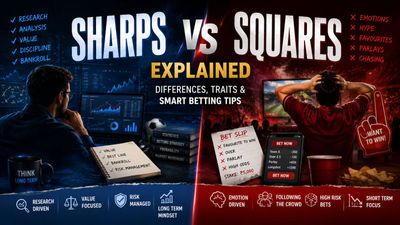
This is also where the difference between sharp and square bettors matters. Sharp bettors tend to focus on price and value. Square bettors are more likely to follow reputation, hype, and obvious favorites.
Conclusion & Key Takeaways
A trap game in sports betting is a matchup where the favorite looks safe but carries hidden risk.
That risk may come from short rest, injuries, emotional letdowns, travel, public hype, or a bigger upcoming game. The favorite may still win, but the bet may not offer good value.
The most important lesson is this:
A trap game is not a guaranteed upset. It is a reason to slow down and study the price more carefully.
Key takeaways:
Trap games usually involve favorites with hidden situational risk.
The obvious side is not always the valuable side.
A favorite can win but fail to cover the spread.
Trap lines are often bettor perception, not bookmaker conspiracy.
Public hype can make a line less attractive.
Bankroll discipline matters more than trying to predict every upset.
Sometimes the best bet is no bet.
For more foundational learning, continue with TBP’s guides on betting lines, point spreads, moneyline betting, and bankroll management.
FAQs
What is a trap game in sports betting?
A trap game is a matchup where the favorite looks like the obvious bet but has hidden risk factors that may lead to underperformance. These factors can include fatigue, injuries, public hype, travel, or a bigger upcoming game.
How does a trap game work?
A trap game works when bettors overvalue the favorite and overlook situational risks. The favorite may still win, but the odds or point spread may not reflect the real danger in the matchup.
Are trap games real or just a myth?
Trap games are partly real and partly subjective. The situations behind them can be real, such as fatigue or injuries, but the idea that sportsbooks intentionally create trap games is often overstated. Bettors should focus on value rather than stories.
How do I spot a trap game?
Look for warning signs such as short rest, injuries, a bigger game coming next, public hype on the favorite, difficult travel, poor weather, or an undervalued underdog with strong motivation.
How can I avoid losing money on trap games?
You can reduce trap game risk by checking team news, studying the schedule, comparing odds, avoiding emotional bets, managing your bankroll, and refusing to over-stake on favorites that look too obvious.
What is the difference between a trap game and a letdown game?
A letdown game usually happens after a team has an emotional or important win and then underperforms in the next match. A trap game often involves a favorite overlooking a weaker opponent, sometimes before a bigger game. The two ideas can overlap.
Is a trap game the same as an upset?
No. An upset is any unexpected result where the underdog performs better than expected or wins. A trap game is a specific setup where the favorite looks safe but has hidden risk factors that can lead to an upset or a failed cover.
What is a trap line in sports betting?
A trap line is a betting line that looks suspiciously attractive to one side, making bettors wonder why the sportsbook has priced it that way. It does not always mean the sportsbook is trying to trick bettors; it may reflect information, risk, or market action that casual bettors have missed.
Do trap games happen in cricket or football?
Yes. The term is more common in US sports, but the idea can apply to cricket, football/soccer, basketball, tennis, and other sports. Any favorite can become vulnerable if the schedule, team news, motivation, or market price creates hidden risk.