

Anyone who has played online poker long enough knows that geography always finds a way of influencing the game. Not the cards themselves, of course, but everything around them, which sites you can join, what tournaments you see, and whether a platform even loads from a certain country. In places with steady regulation, players forget about this. In others, the limitations show up the moment you try to log in.
Because of these uneven conditions, many players rely on VPNs. Some do it for privacy. Others travel often. A few simply want their connection to stop dropping during Sunday tournaments. And then there are players who use VPNs to get around restrictions, which is where most of the trouble starts. A VPN is simple software, but the rules around it are anything but simple in poker.
What follows is a realistic look at why poker players use VPNs, when it works, when it backfires, and how different casinos choose to deal with it.
Why Poker Players Use VPNs
If you talk to regular grinders, especially those who play longer sessions or follow international tournament schedules, you’ll hear the same few reasons repeated. One of the biggest is stability. Hotel Wi-Fi, café networks, and short-term apartments aren’t ideal places to multi-table. A VPN can sometimes smooth out a shaky connection, or at least make it more predictable.
You also have the privacy angle. A lot of players don’t love the idea of exposing their actual IP address every time they fire up a poker client. It’s not paranoia; it’s just general caution, especially for players who use shared devices or public networks.
Then there’s the more complex group: the travellers. A player may leave a regulated market for two weeks and suddenly can’t open their usual poker room. Even those who aren’t trying to break any rules feel stuck. They aren’t switching sites to gain an edge; they just want to keep playing. Some casinos understand this and allow temporary access if the player is verified. Others do not.
And, of course, a small portion wants to access games they shouldn’t be able to join from their current location. This is the situation operators focus on most, since it ties directly into licensing obligations and risk controls.
Understanding Casino Policies on VPN Use
There is no one rule that applies everywhere. Some offshore casinos openly say that VPNs are fine, as long as players verify their identity and do not pretend to live in a restricted country. These sites take a more relaxed stance, viewing VPNs as a normal privacy tool rather than a threat.
Others don’t forbid VPNs, but they don’t fully embrace them either. They allow traffic to pass but monitor for unusual changes. If your login jumps from one country to another in the same afternoon, their system may ask for extra checks. These operators are trying to strike a balance, not blocking honest players, but not ignoring suspicious patterns.
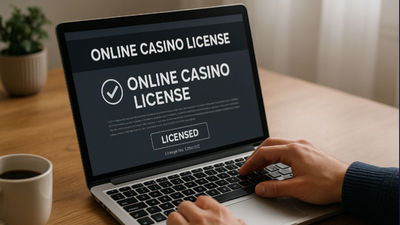
Highly regulated casinos, especially those in Europe and North America, tend to take the strictest approach. Their licences require precise geolocation controls, and even a harmless VPN session can conflict with those obligations. This is why players searching for clarity on which online casinos allow VPN players often come away confused; the policies differ widely, and some poker rooms will end a session the moment they detect masked traffic.
All of this makes it risky to rely on assumptions. A site may let you deposit without any issues, only to question a withdrawal later if the IP history doesn’t add up. Reading the terms, even if it feels tedious, usually prevents the biggest headaches.
Hidden Risks Poker Players Usually Notice Too Late
Many players only think about the upside of using a VPN. They don’t think about the potential friction until it’s too late. For example, if a casino flags a login as unusual, it might freeze the account until the player sends documents. That’s annoying enough for a casual player, but for someone deep in a high-stakes schedule, it can disrupt weeks of work.
Another risk comes from compliance teams. If the operator believes the player accessed a restricted market, even unintentionally, they may investigate the entire play history. Winnings can be delayed. In some cases, they can be rejected. Most players don’t expect this because the platform seemed to “work fine” while they were playing.
Operators also worry about fair play. Some forms of cheating, like multi-accounting, try to hide behind VPNs. Because of this, casinos treat all location-masking with extra caution. Even the most honest player may end up dealing with a verification loop simply because they looked similar to someone abusing the system.
Playing Responsibly When Using a VPN
Most long-time players who use VPNs take a few simple steps to stay out of trouble. The first is keeping a consistent location. They pick one VPN endpoint and stick to it rather than switching every session. Consistency reduces the chance of triggering alerts.
Another helpful habit is telling support when you’re travelling. A short message explaining that your IP may change can prevent withdrawal delays later. Many operators appreciate transparency and make a note in the account.
And, most importantly, players avoid joining sites that clearly forbid access from their current location. Even if a VPN makes the software load, it doesn’t mean the casino is legally allowed to serve that region. If regulators don’t allow it, the player carries the risk.
Alternatives for Players Who Travel Often
Some grinders avoid VPN hassles by maintaining accounts on several poker sites. That way, if one becomes inaccessible while abroad, another one is available. It’s not a perfect solution, but it provides flexibility without bending rules.
Others join poker networks or apps that accept international players without strict location segmentation. These platforms still perform identity checks, but they don’t tie access as tightly to geography.
A smaller group is looking toward emerging blockchain-based gaming models. These systems focus on wallet verification rather than physical location. They are still new, not widely adopted, and far from replacing traditional poker rooms but they show how the industry might change over time.
Where the Poker Industry Is Heading
The global nature of online poker makes rigid borders harder to maintain. Players travel more often, work remotely, and relocate for long periods. Operators know this, and many are slowly adjusting their policies. Some are writing clearer rules for travellers. Others are exploring ways to keep games accessible without bending compliance requirements.
But for now, VPN use remains a grey area in many situations. It can keep your connection stable, protect personal data, or let you finish a tournament while abroad. It can also lead to account reviews if a casino decides your activity doesn’t match its terms.
Poker players, especially those who play seriously, adapt. They learn which operators are flexible, which aren’t, and how to avoid unnecessary risks. Using a VPN is no different; it’s another part of the game that requires awareness, not guesswork.